
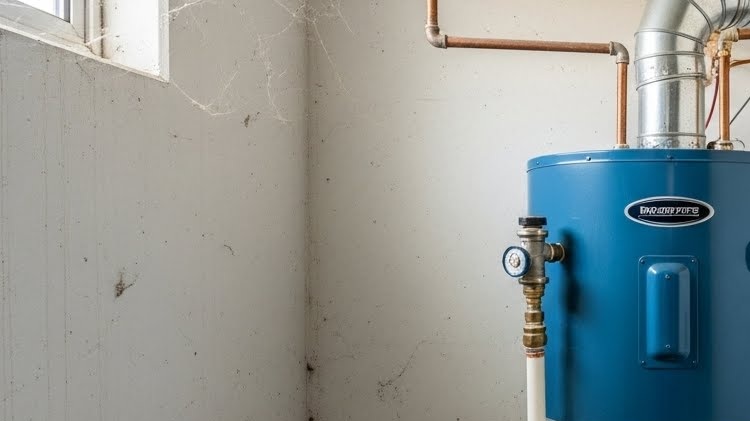

Choosing an energy-efficient water heater is a smart investment for any homeowner. Not only can it help reduce your energy bills, but it also minimises your carbon footprint. With various types and models available, selecting the right water heater for your needs involves understanding your household’s usage, evaluating available technologies, and factoring in energy efficiency ratings. Here’s a practical guide to help you make an informed decision.
1.Identify Your Home’s Hot Water Usage
Start by understanding your household’s daily hot water usage. A larger family with multiple bathrooms and frequent use in the kitchen or laundry will need a higher capacity system, while a smaller home may only require a compact unit. Calculating your daily usage will help you choose the right size and type of water heater.
2. Types of Water Heaters
There are several types of water heaters available, each designed to meet different needs and preferences. Understanding the main options will help you choose the right system based on your household size, energy goals, and installation space.
a. Storage Tank Water Heaters: Ideal for families with consistent daily hot water needs, these heaters store heated water in an insulated tank, making it readily available for use at any time.
b. Tankless (On-Demand) Water Heaters: Best for smaller homes or spaces where energy efficiency and compact design are priorities. They heat water instantly as needed, without storing it in a tank.
c. Heat Pump (Hybrid) Water Heaters: A great choice for energy-conscious households in warm climates or bigger commercial spaces. These use surrounding air to heat water, offering high efficiency with lower long-term electricity usage.
d. Solar Water Heaters: Suitable for homes in sunny regions. These systems use solar energy to heat water, offering long-term savings and sustainability with minimal operating costs.
3. Check the Energy Factor (EF) or Uniform Energy Factor (UEF)
The energy efficiency of a water heater is measured by the Energy Factor (EF) or the newer Uniform Energy Factor (UEF). These metrics indicate how efficiently a unit converts energy into heat and how much heat is lost during storage.
- Higher EF or UEF = More efficient
- Look for models with a high BEE star rating, certified by the Bureau of Energy Efficiency. These ratings help you identify water heaters that meet strict energy saving standards and are more efficient in the long run.
4. Consider Long-Term Costs
Don’t focus solely on the upfront purchase price. Instead, look at lifetime operating costs, which include:
- Energy consumption
- Maintenance and repair
- Expected lifespan
A more efficient system may cost more initially but save money in the long run through lower utility bills and reduced maintenance.
5. Seek Professional Advice
Consult a plumber to evaluate your home’s plumbing layout, climate, and energy source options (gas, electric, solar). Their expertise can help you choose the most appropriate and efficient model.
Conclusion
Finding the right energy efficient water heater is not just about saving on monthly bills. It is about choosing a system that fits your lifestyle, supports long term reliability, and reduces your environmental impact. By understanding your household’s needs and comparing the right technologies, you can make a choice that delivers both comfort and value for years to come.