
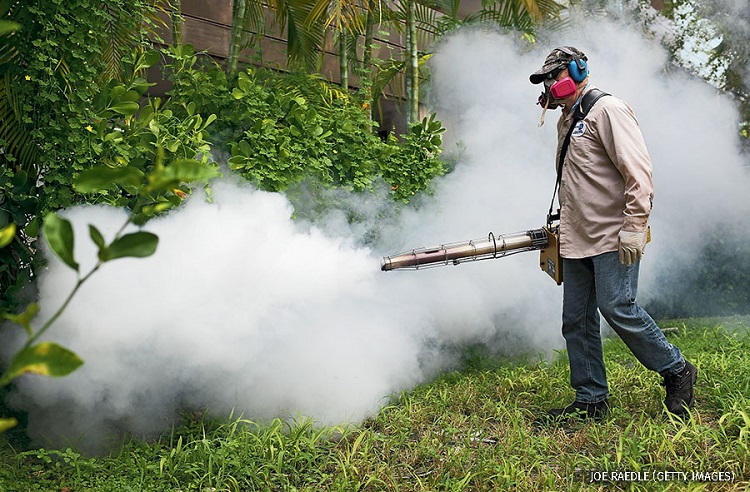

There is nothing worse than a beautiful summer night in Manchester, ruined by hordes of insatiable mosquitoes. Common in New Hampshire’s humid continental climate, these bloodsucking pests turn backyard barbecues into battles against buzzing bloodsuckers. While the warm, moist conditions make for great summer outdoor activity in Manchester, they also make for excellent mosquito breeding.
Your meticulously arranged garden parties can turn into indoor gatherings pretty fast with the arrival of these unwanted guests. The good news? The right plants, used strategically, can turn your property into a natural mosquito fortress. Although bad infestations will sometimes need help from the best mosquito control, the right plants, combined with a few design tricks, are something you can use to take back your yard!
Why Does Your Yard’s Design Play a Role in Mosquito Activity?
These bugs desire specific conditions in which to live and breed, and many standard landscape aspects supply just the proper environment for them. The stagnant water in ornamental ponds, filled gutters, or those places where the water does not flow, are the best maternity wards for mosquito larvae. Thick vegetation that does not allow air to circulate retains moisture and forms humid microclimates conducive to mosquitoes. The plants you choose also make a difference.
Due to their scent and chemicals, some flowers and shrubs bring these pests to multiply, while others repel them naturally. Elevation changes, how the sun hits your yard, and how water is handled all affect mosquito populations where you live. When you understand these connections, you can make mindful decisions about planting, drainage, and design that help, rather than hinder, mosquito breeding and resting sites.
Mosquito-Repelling Plants That Thrive in Manchester’s Climate
- Hardy Perennials for Year-Round Protection
In Manchester’s Zone 5b growing conditions, there are a number of hardy and great mosquito-repelling perennials. Some lavenders, like ‘Munstead’ and ‘Hidcote’, actually do well in winter in New Hampshire, and they emit oils that annoy mosquitoes. These purple pretty things like the well-drained soil found in many Manchester neighborhoods, as well as hot summers and cold winters.
- Annual Powerhouses
They add a splash of color and repel mosquitoes due to their unique pyrethrum. Use these cheerful annuals around patios, decks, and outdoor dining spots for the most significant effect. Manchester has seen 31 more “mosquito days” since 1979, the fifth-highest increase in mosquito activity of any northeastern site. These factors combined will make strategic plant placement ever more critical to local homeowners.
Landscaping Tricks That Discourage Mosquito Breeding
- Remove standing water sources, ensure good drainage away from foundations, and keep gutters clean. Fill in low spots to prevent water from pooling after a summer storm in Manchester.
- Space plants properly to avoid thick plantings that hold humid air (mosquitoes are weak fliers; breezy places challenge flight muscles)
- Yellow or LED light bulbs should be used instead of white incandescent bulbs, which are used in outdoor areas where many people gather.
- Keep the grass short and remove leaf debris and mosquito rest areas during the hot hours of the day.
- Use outdoor fans on your decks and patios to establish breezes that inhibit the ability of mosquitoes to land and feed
When Natural Methods Aren’t Enough to Control Mosquito Populations
Even if you constantly apply plant-based solutions and modify your landscape, there are times when mosquitoes catch up to you. Despite your natural best efforts, that means months of possible misery from June to October, when mosquitoes are most active in New Hampshire. Even the best biological defenses can be oversaturated through excess rain, nearby wetlands, or properties with multiple mosquitoes!
Companies such as Anchor Pest Services know the unique challenges mosquitoes pose in Manchester, as well as the specific seasons they are most active. They integrate with pest management strategies that complement your current landscape practices to combine targeted treatments. Professional services can easily determine where mosquitoes are breeding that you may have missed, and can suggest treatments for your home that can enhance but not replace your natural mosquito repellent plants. The last thing you want is to ruin your investment in beautiful landscaping because of mosquito problems.